Back to Main Timeline
Administrative Evidence Exclusion

Medical Record
Mishandling & Exclusion

Evidence establishing an early pattern of administrative obstruction, involving the selective use of medical documentation and the exclusion of exculpatory clinical assessments.

September 28, 2016

1. The Signature Requirement Obstruction

The administration attempts to block the student from discussing medical evidence by claiming they need written authorization from the other party, despite the fact that the university was already using those same records as primary evidence against the student.
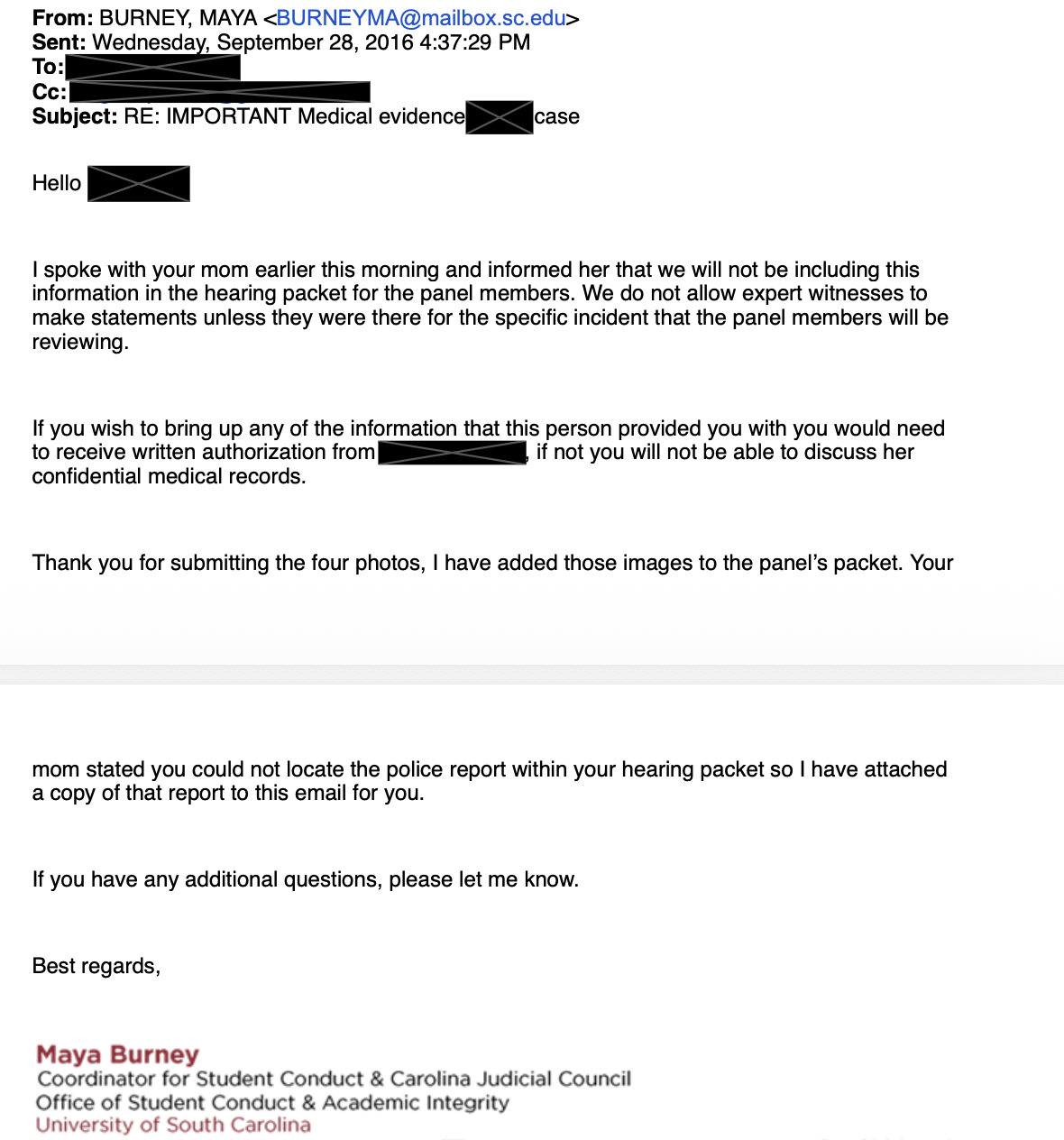
1. The Signature Requirement Obstruction
Evidence Exhibit A

"If you wish to bring up any of the information that this person provided you with you would need to receive written authorization... if not you will not be able to discuss her confidential medical records."
September 28, 2016

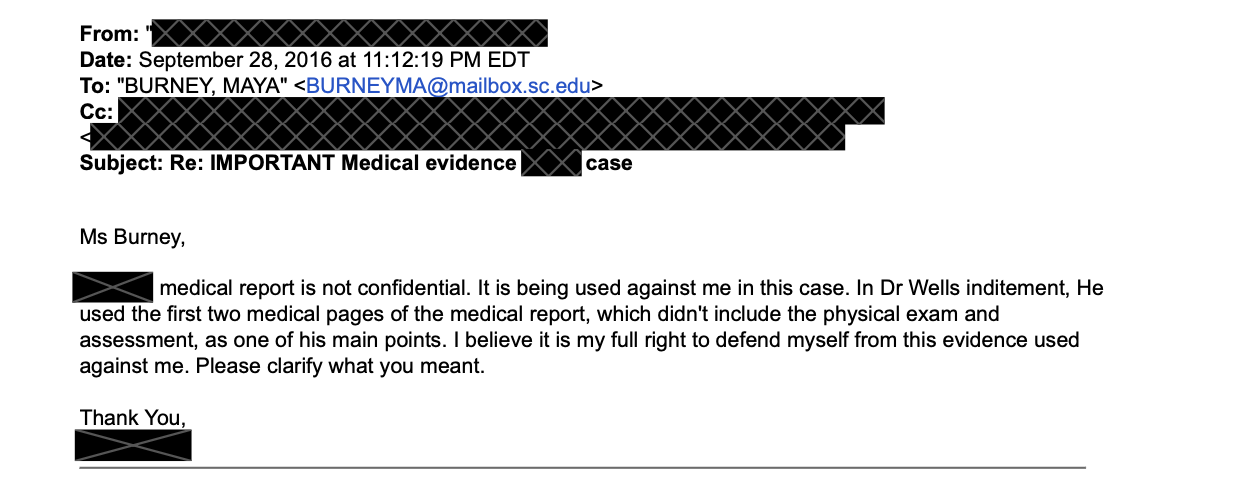
2. Challenge: Selective Indictment

The student exposes that the university is already selectively using medical notes for the indictment while simultaneously blocking the student from including the 'Physical Exam and Assessment' portions of those same records.

2. Challenge: Selective Indictment
Evidence Exhibit B

"In Dr Wells indictment, He used the first two medical pages... which didn't include the physical exam and assessment... I believe it is my full right to defend myself from this evidence used against me."

October 02, 2016

3. The 'Harvard Letter' Obstruction

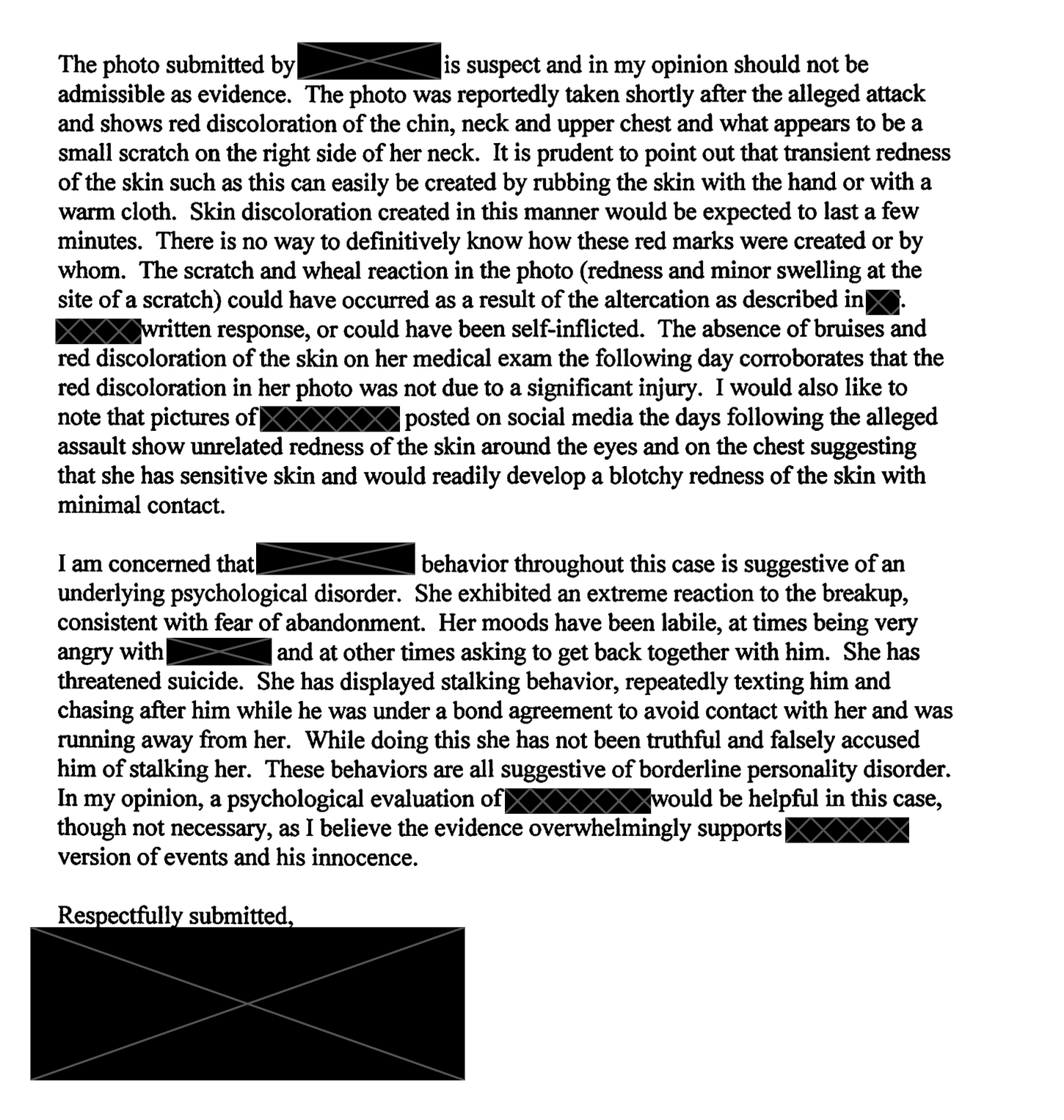
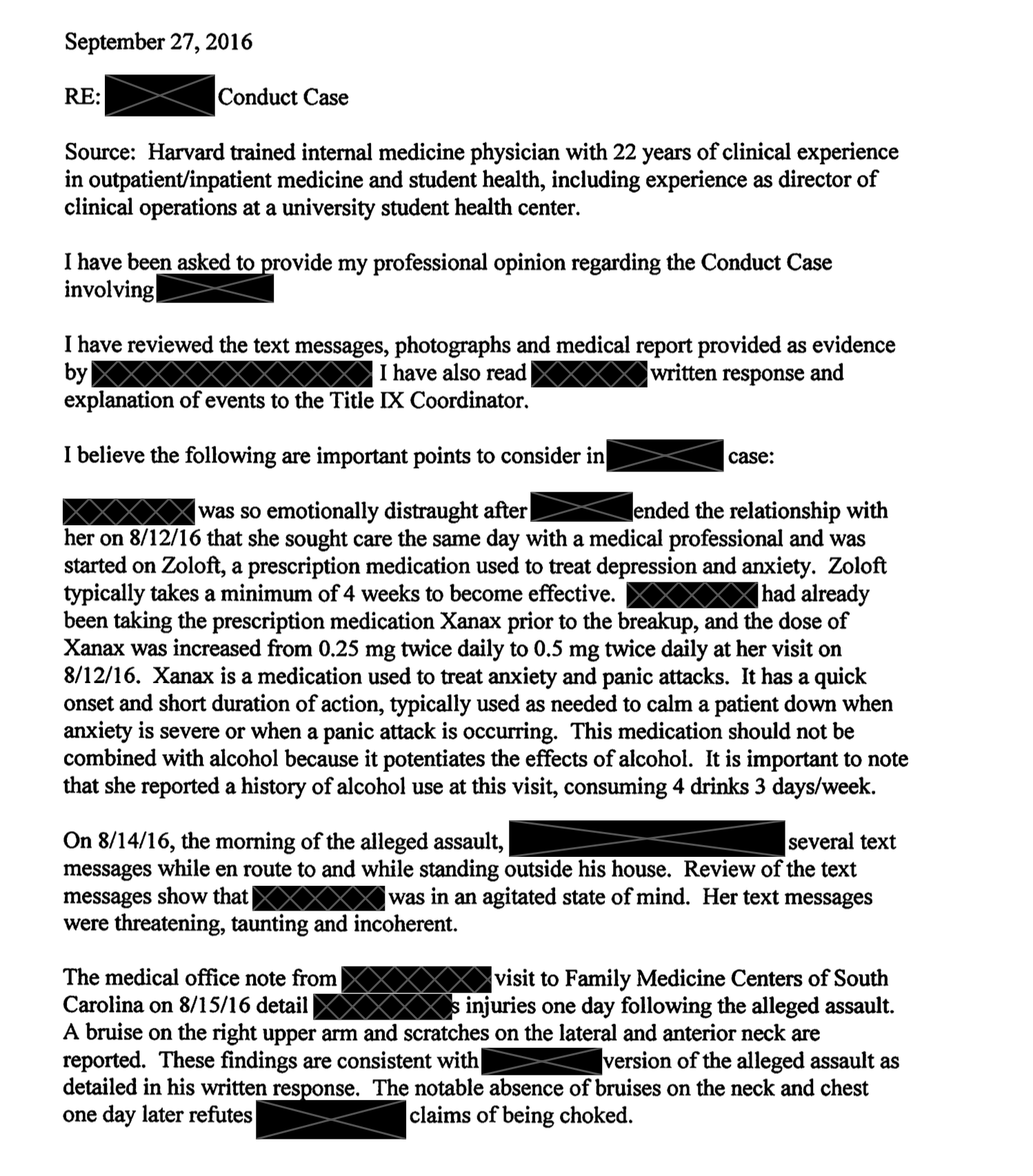
After the student fought back, the university eventually allowed the raw medical report. However, they still blocked the professional clinical analysis (The Harvard Letter), effectively denying the panel the expert context needed to interpret the medical records.

3. The 'Harvard Letter' Obstruction - Exhibit 1
3. The 'Harvard Letter' Obstruction - Part 1
3. The 'Harvard Letter' Obstruction - Exhibit 2
3. The 'Harvard Letter' Obstruction - Part 2

"The administration relented on the raw records but continued to block the professional medical analysis, ensuring the panel only saw the university's selective interpretation of the health data."